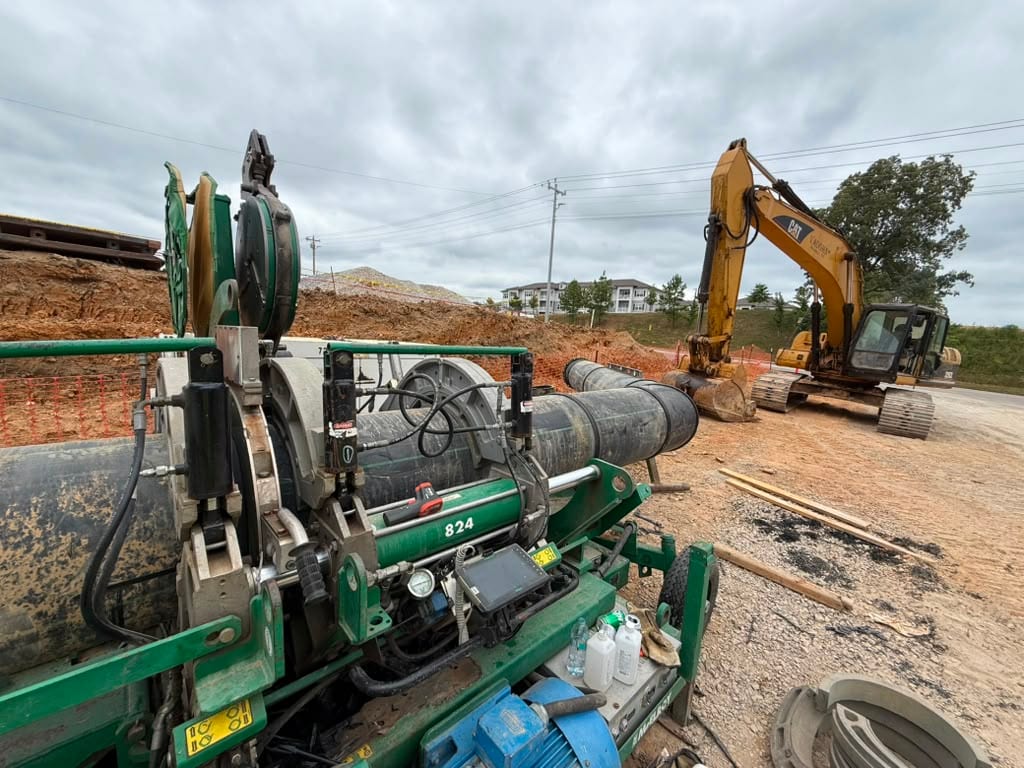
Butt Fusion
The most common method — two pipe ends heated and fused under controlled pressure into one continuous pipe. Ideal for water, gas, sewer, force main and industrial runs.
Learn More
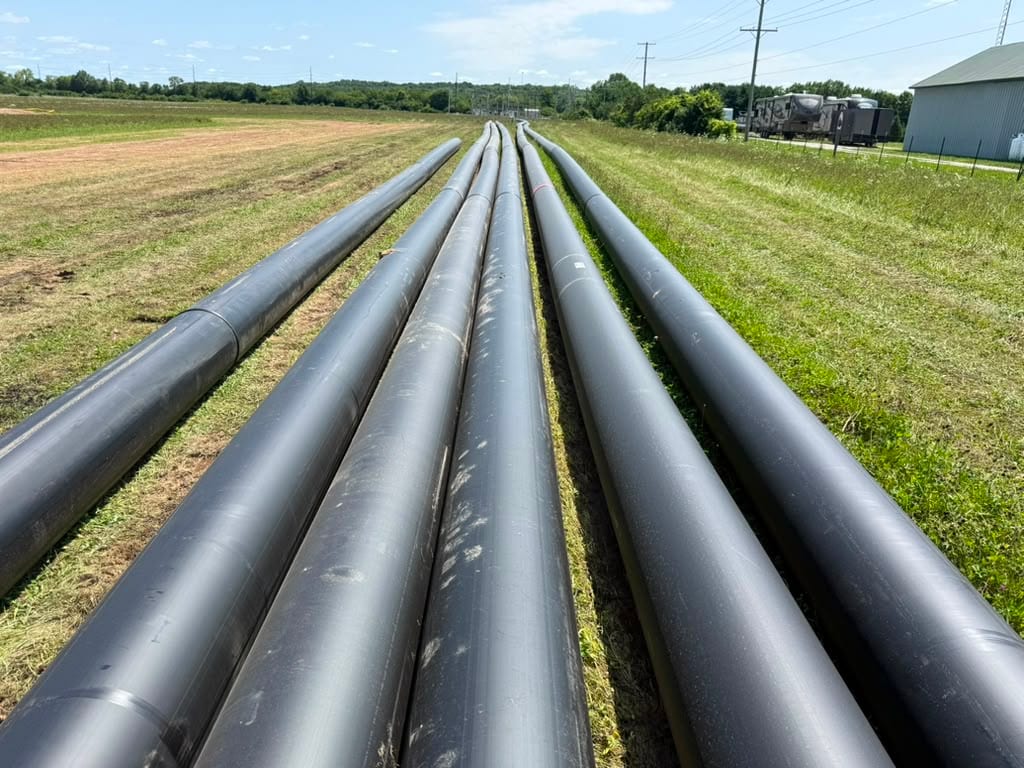
Strong, reliable, leak-free piping systems for municipal, industrial, commercial, utility and private projects — fused with industry-approved procedures and calibrated equipment.
Every joint on a project doesn't want the same method. Here's what we run and where each one earns its keep.
The most common method — two pipe ends heated and fused under controlled pressure into one continuous pipe. Ideal for water, gas, sewer, force main and industrial runs.
Learn More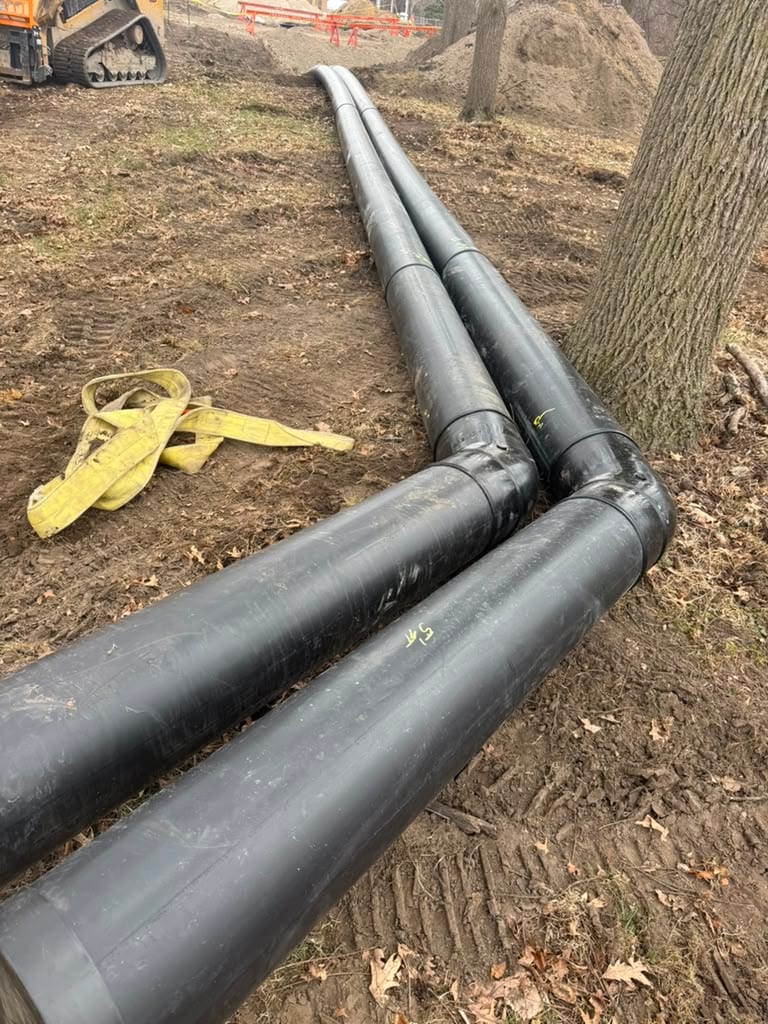
Used on smaller diameter pipe and fittings. Pipe and fitting are heated simultaneously with specialized tooling, then joined into a permanent, leak-free connection.
Learn More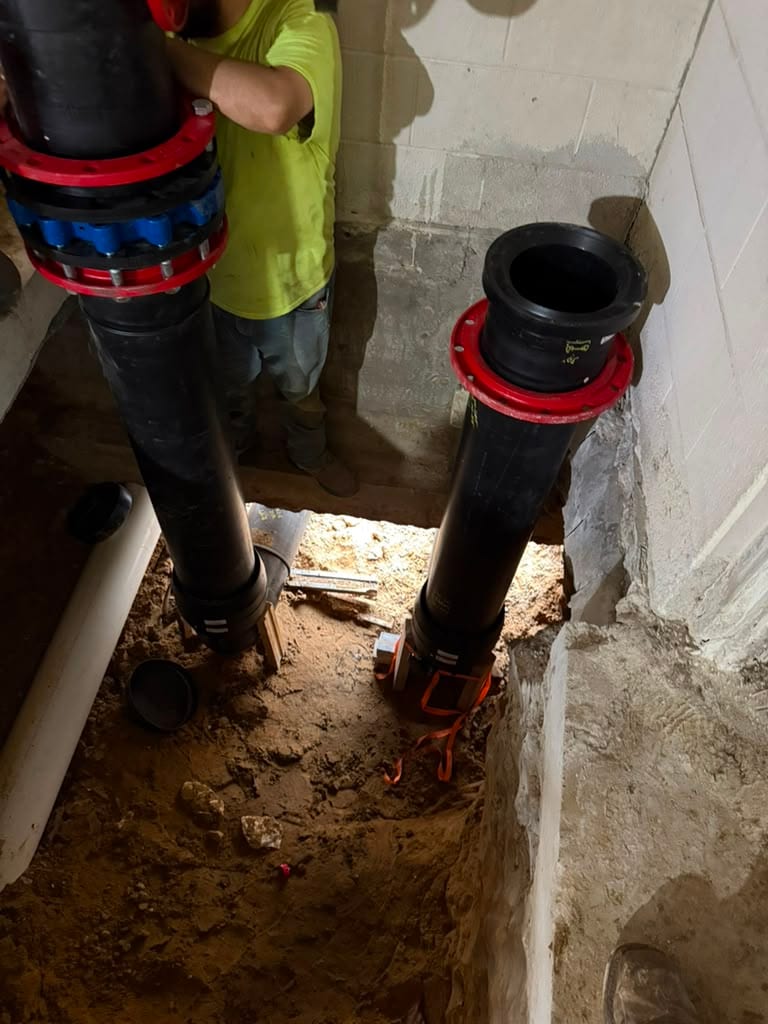
Couplings with built-in heating elements fuse permanently to the pipe — ideal for repairs, tie-ins, confined spaces and anywhere a fusion machine can't be used.
Learn More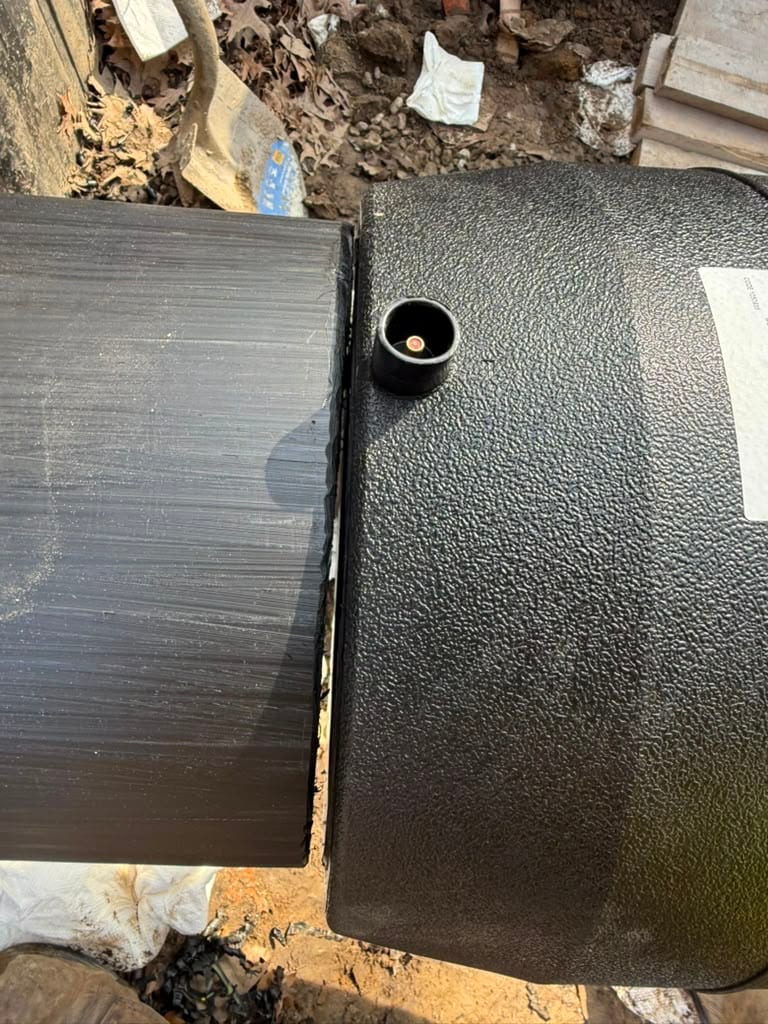
Branch connections fused directly to an existing pipeline for service lines, laterals and system expansions — without compromising the integrity of the main.
Learn More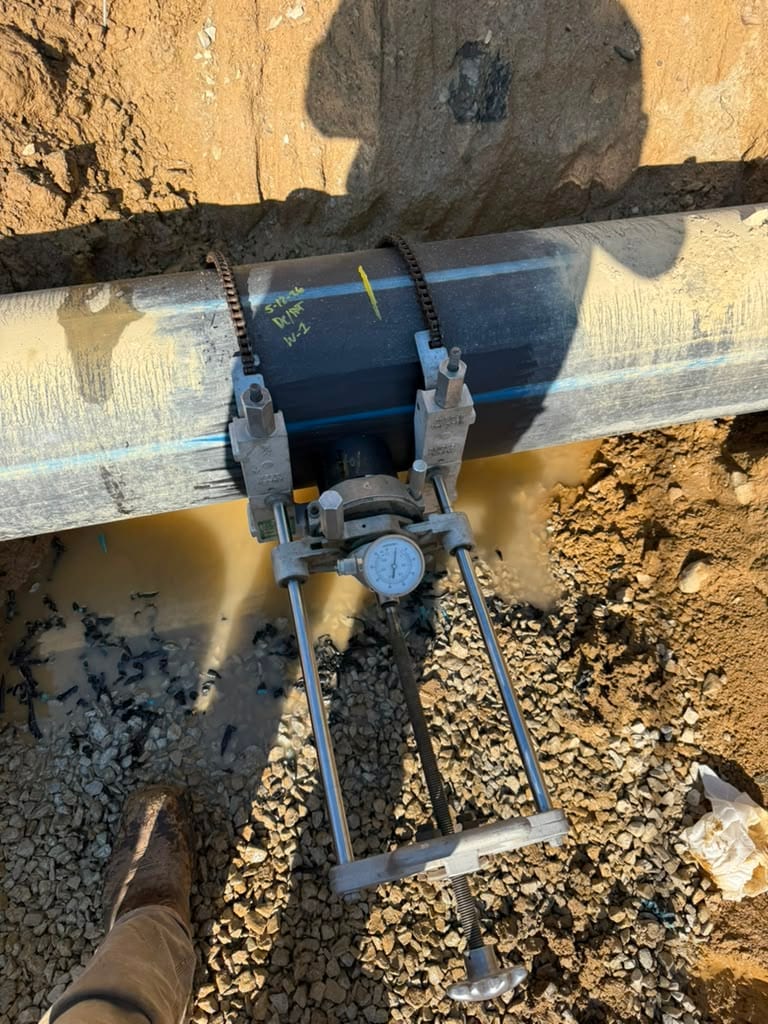
Visual examination of fusion joints, verification of proper procedures, documentation review and quality assurance for long-term performance and project compliance.
Learn More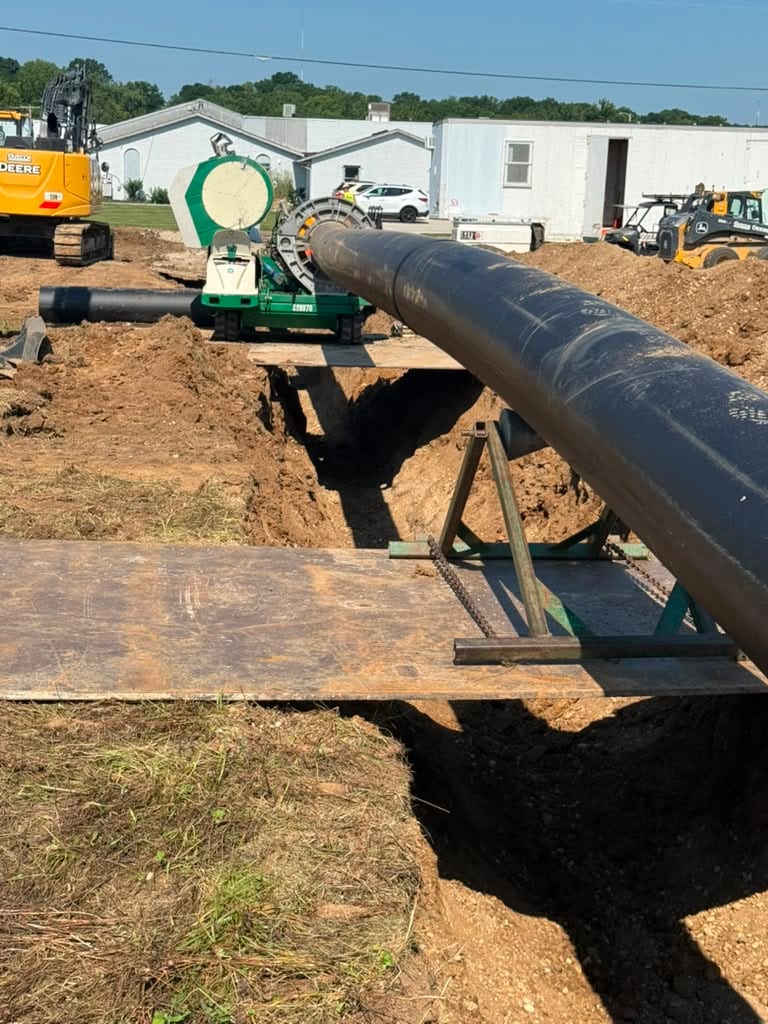
We dig, shore and backfill too. One contractor from the excavation through the fusion to the finished, tested, buried system.
Learn MoreHDPE fusion is the process of permanently joining high-density polyethylene pipe by heating the material and pressing it together so the two pieces become one continuous pipe. There are no gaskets, glue or mechanical couplings involved — a properly made fusion joint is as strong as the pipe itself and completely leak-free.
At Cross The Line Excavation LLC, we provide professional HDPE fusion services for municipal, industrial, commercial, utility and private projects. Using industry-approved procedures and calibrated equipment, we deliver strong, reliable, leak-free piping systems built to last.
Every method has a place. Long runs of main line get butt fused. Small-diameter pressure piping gets socket fused. Repairs, tie-ins and confined spaces get electrofused. Branch connections get saddle fused. We run all four — plus third-party style fusion inspection — so the right method gets used on the right joint instead of whatever the crew happens to own.
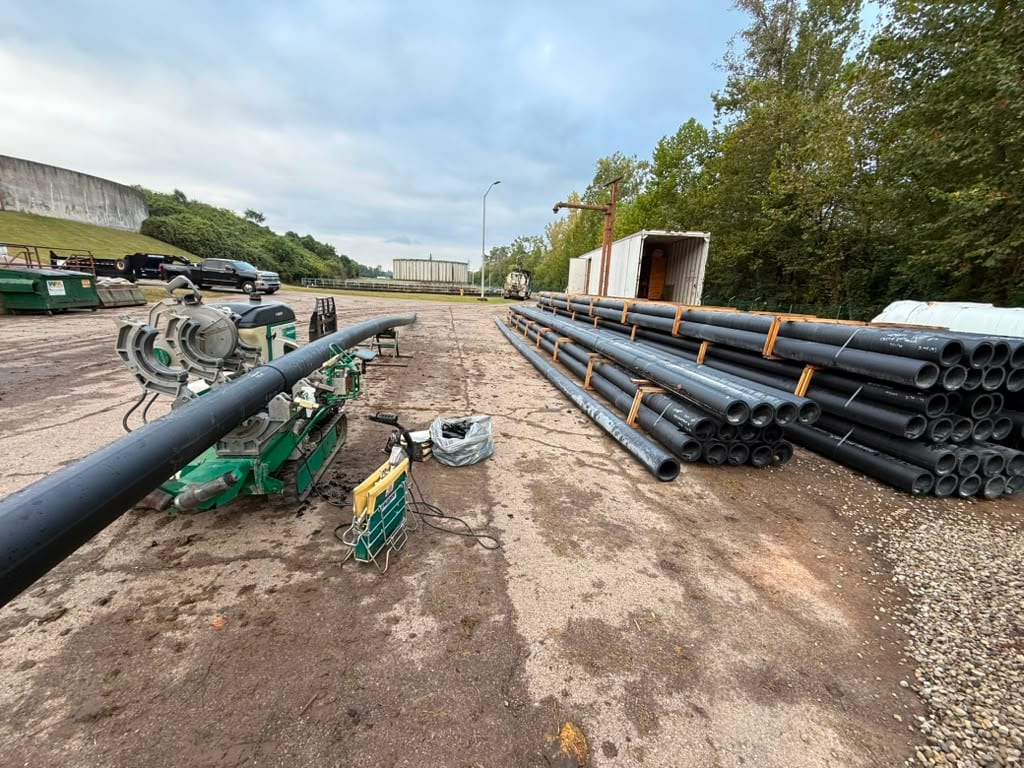
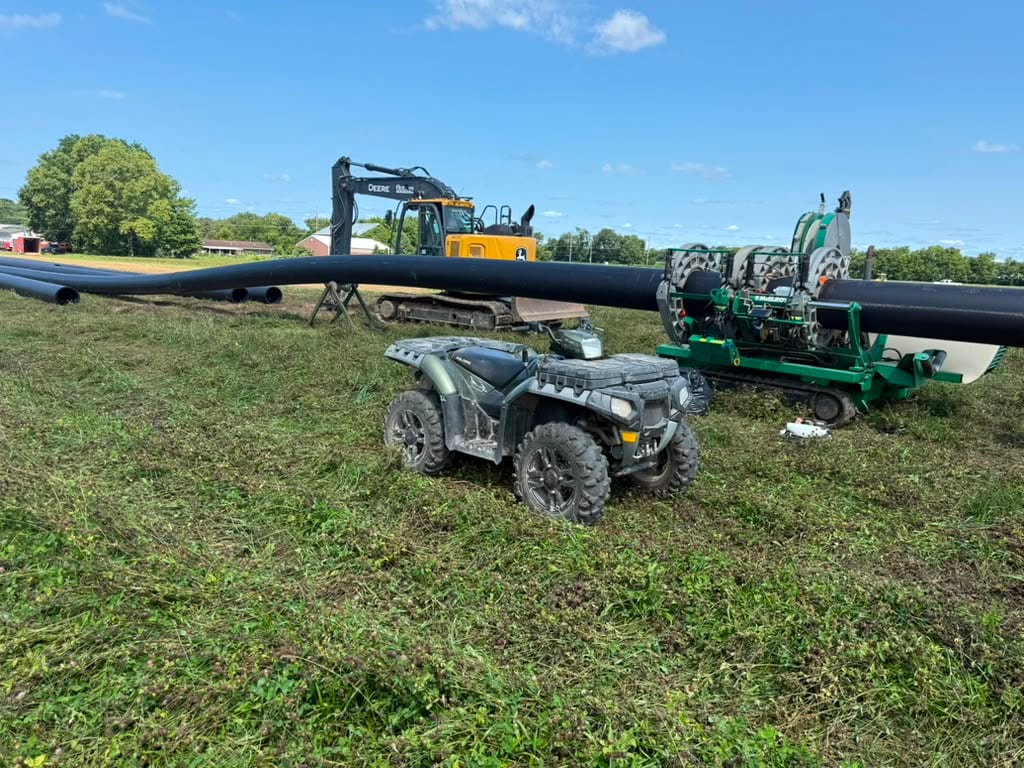
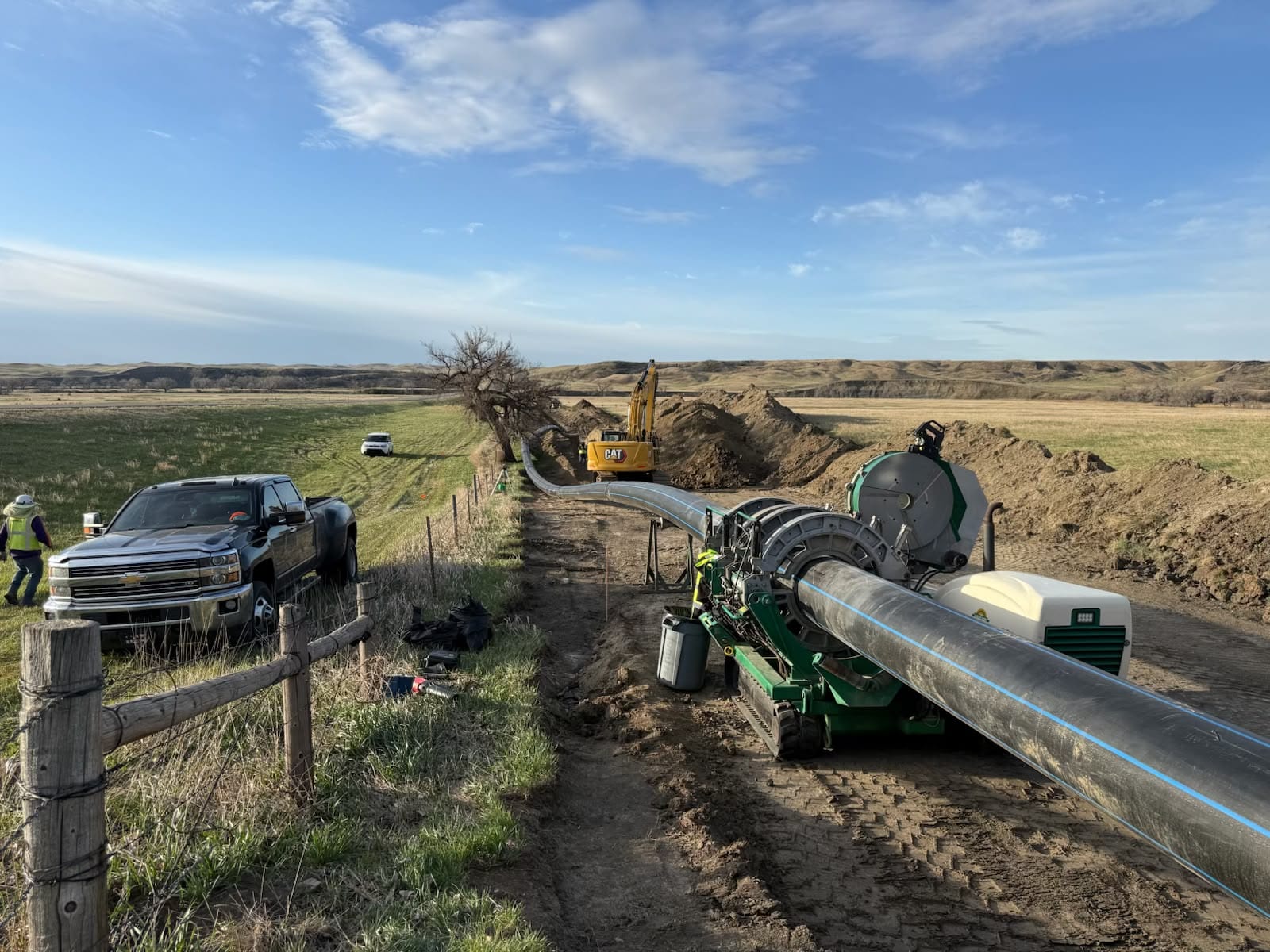
Click any method below for the full detail — how it works, where it's used, and what we need from you to bid it.
Our fusion work covers water and sewer mains, force mains, gas distribution, industrial process piping, conduit and duct systems, geothermal loops, irrigation and agricultural lines, landfill and leachate piping, and directional-drill pullback strings. We work directly for owners and municipalities, and as a fusion subcontractor for general contractors, drillers and utility crews.
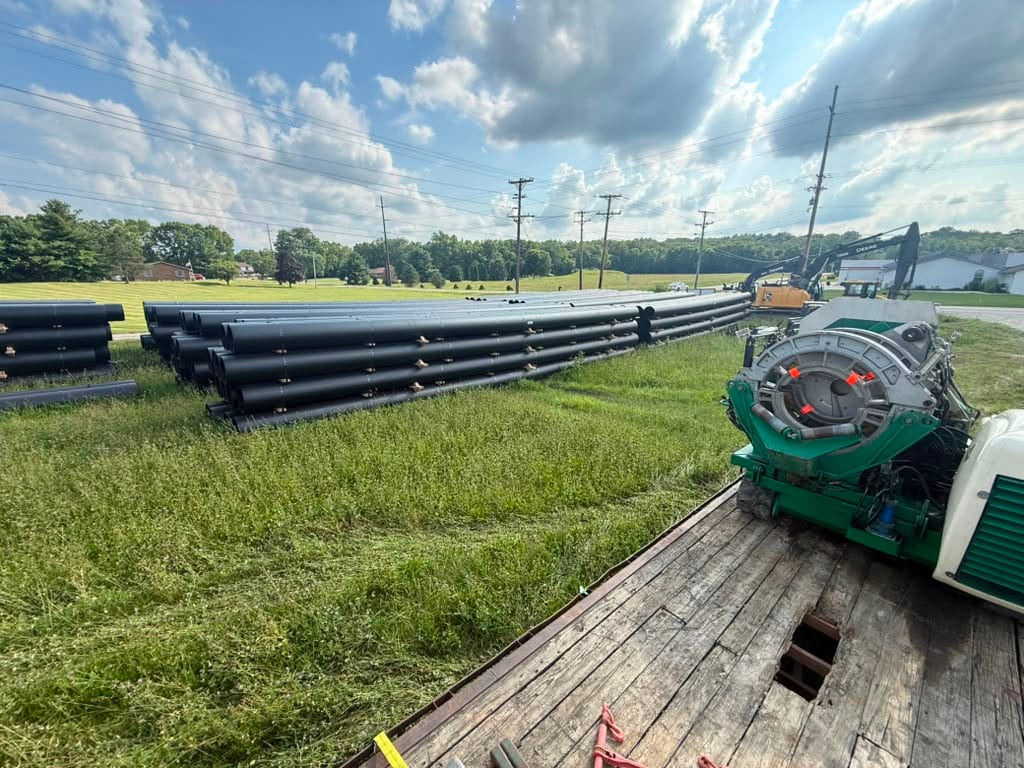
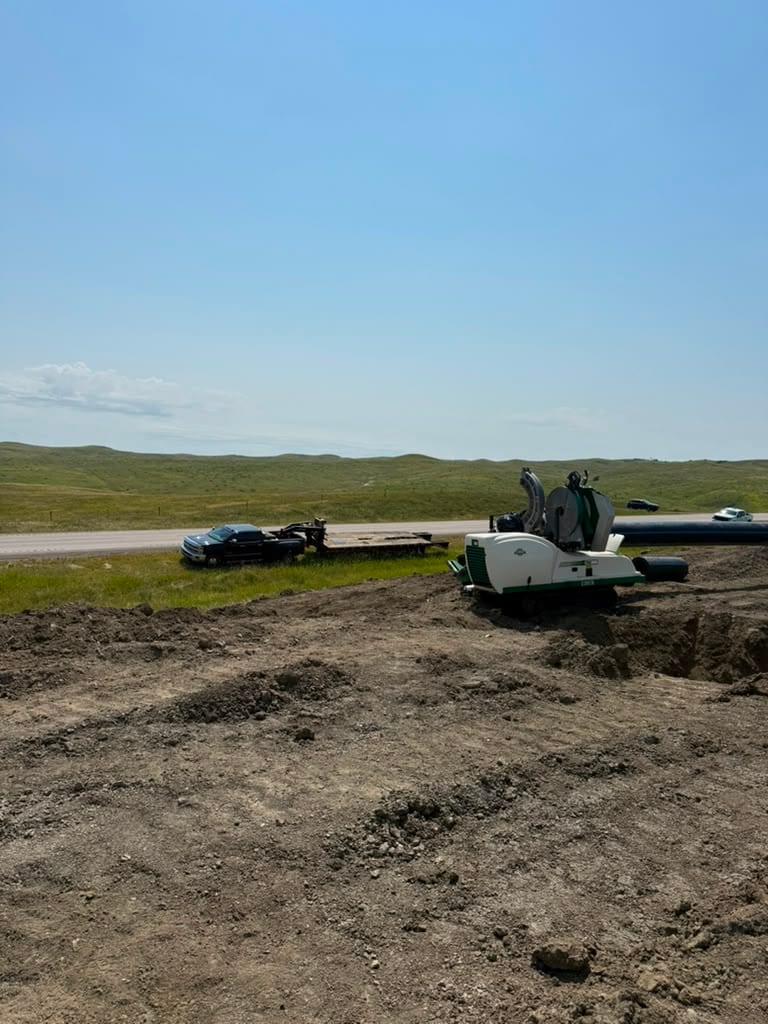
A fused HDPE system has no bell-and-spigot gaskets, no glued couplings and no thrust blocking at every fitting. That means fewer failure points, better performance in shifting or settling soils, and a system that can be pulled through a bore or laid in a trench as one continuous piece. It's why fusion is the standard for pressure piping that has to stay in the ground for decades.
Every joint we make follows the applicable fusion procedure for the pipe material, size and DR being joined — heater surface temperature, facing, alignment, fusion pressure, and heat-soak and cool-down times all get respected. Where a project requires it, we log joint data and provide fusion records so your inspector and your closeout package have what they need. Ask us about documentation requirements when you send the project over.
HDPE fusion is a process that permanently joins high-density polyethylene pipe by heating the material and pressing it together under controlled pressure so the two pieces become one continuous piece of pipe. Because the joint is a molecular bond rather than a mechanical connection, there is nothing to gasket, glue or clamp, and a properly made joint is as strong as the pipe itself.
We provide butt fusion, socket fusion, electrofusion and saddle fusion, plus HDPE fusion inspection services. Butt fusion joins pipe end to end, socket fusion joins smaller diameter pipe and fittings, electrofusion uses fittings with built-in heating elements, and saddle fusion creates branch connections on an existing pipeline.
Yes. A properly completed fusion joint is as strong as, or stronger than, the pipe itself. The joint area typically has slightly more material than the surrounding pipe wall, and when the correct procedure is followed the bond is homogeneous — the failure point of a well-made system is the pipe body, not the joint.
We work on municipal, industrial, commercial, utility and private projects. That includes water and sewer mains, force mains, gas distribution, industrial process piping, conduit and duct systems, geothermal loops, irrigation lines and directional-drill pullback strings. We work directly for owners as well as for general contractors and drilling crews.
Yes. Where a project requires it we document fusion procedures and joint data and provide fusion records for your quality assurance file and project closeout. Let us know the documentation requirements up front so the right records are captured as the work is performed.
We are based in Monrovia, Indiana and our crews travel for pipeline, utility and industrial fusion work. Travel distance depends on the size and schedule of the project — send us the location and scope and we will tell you quickly whether it is a fit.
Pipe size, material, DR, footage, fittings and schedule.
We confirm the method and procedure, then price the work.
Machine mobilized, joints made to spec, string laid or pulled.
Joints checked, records turned over, system ready to test.
Send us the size, material and footage — we'll get a number back to you fast.